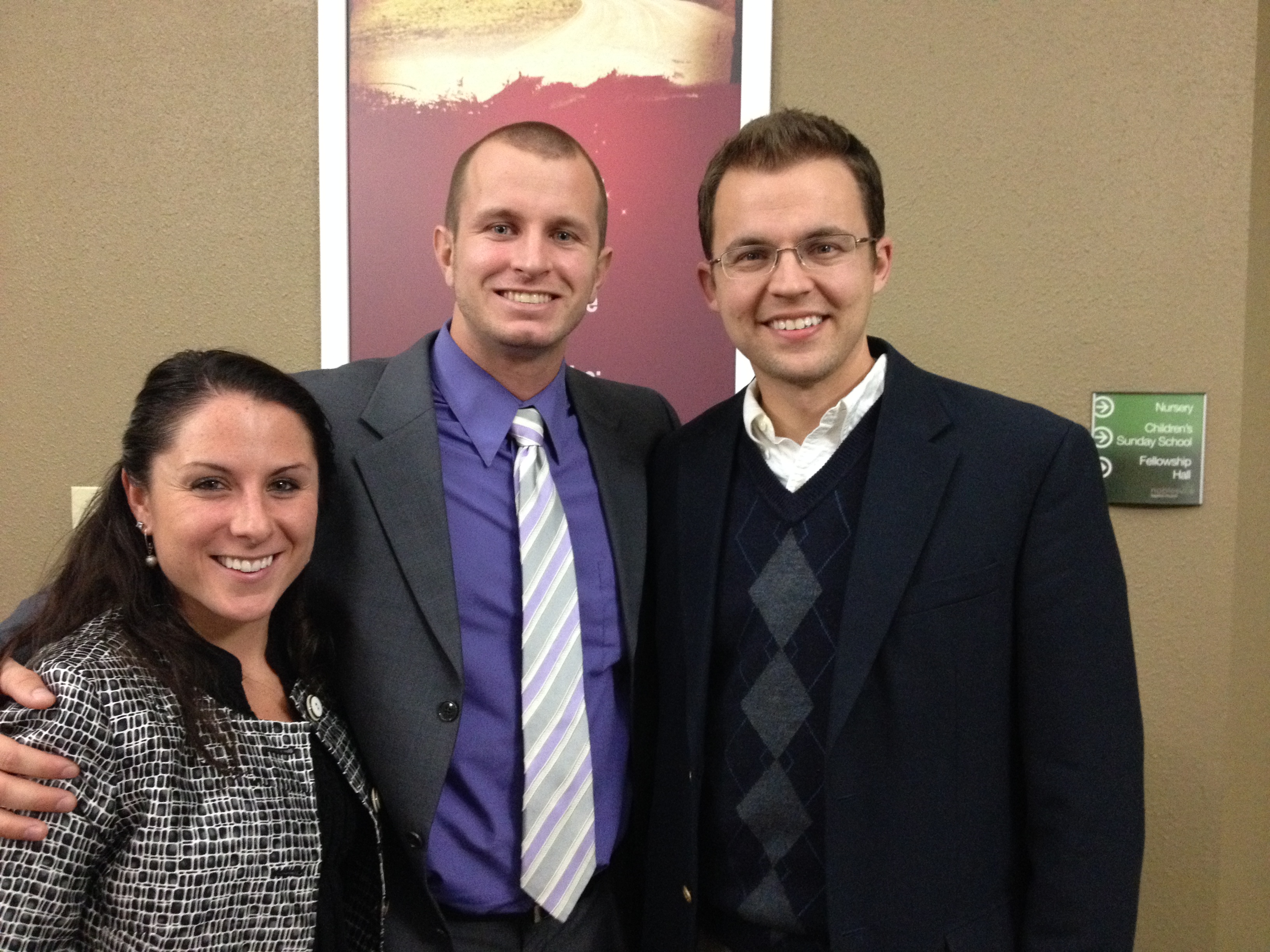
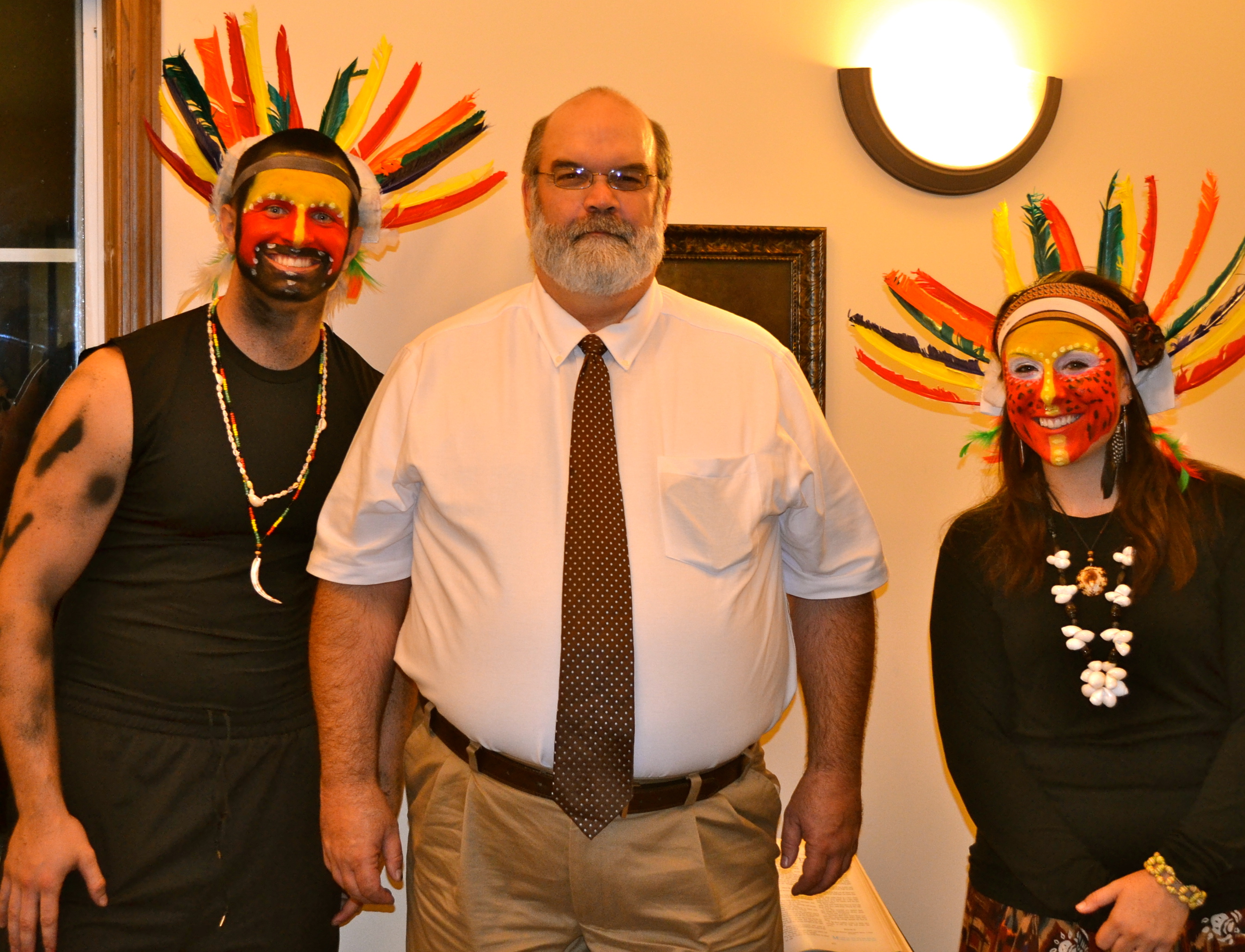
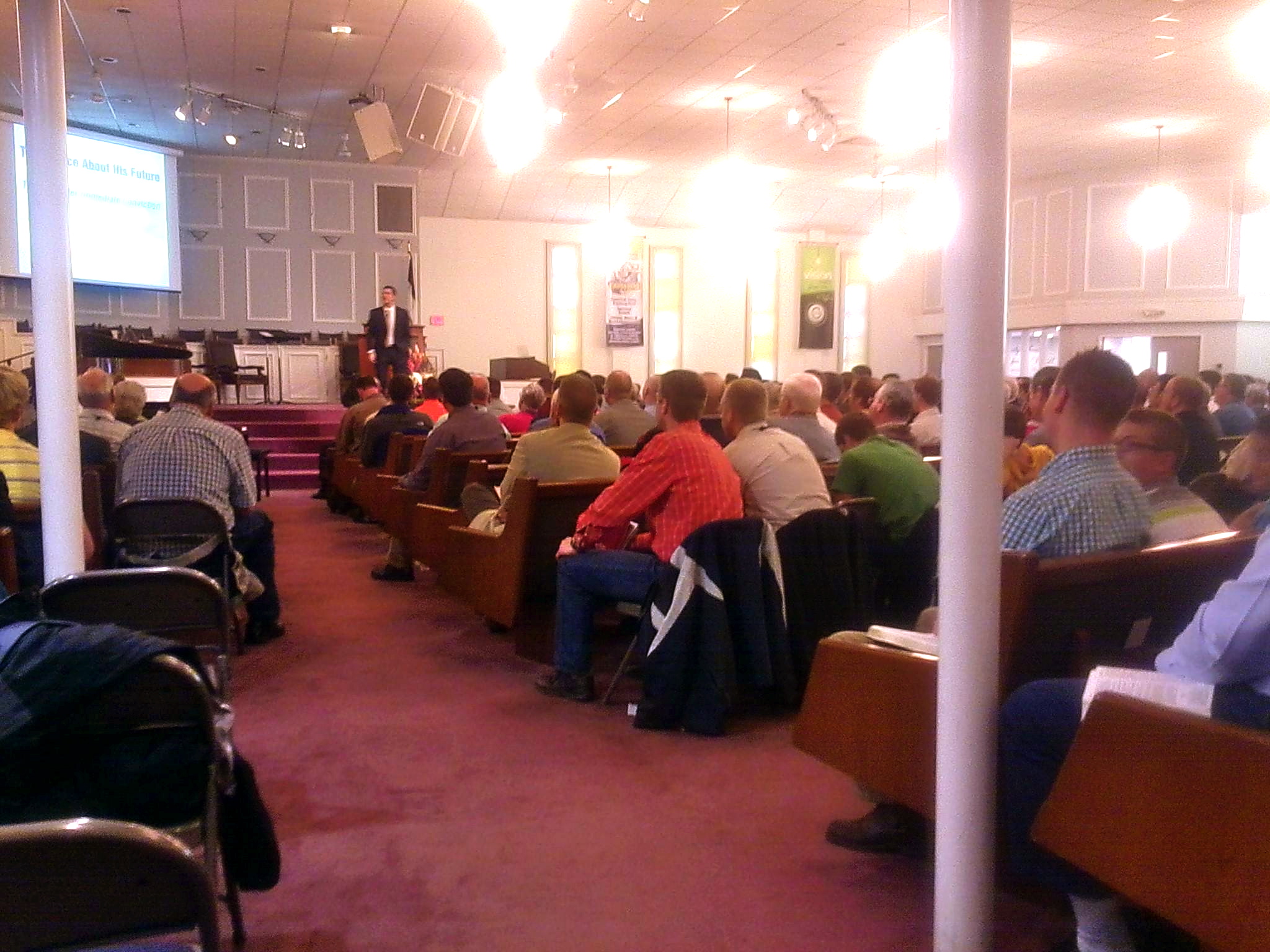
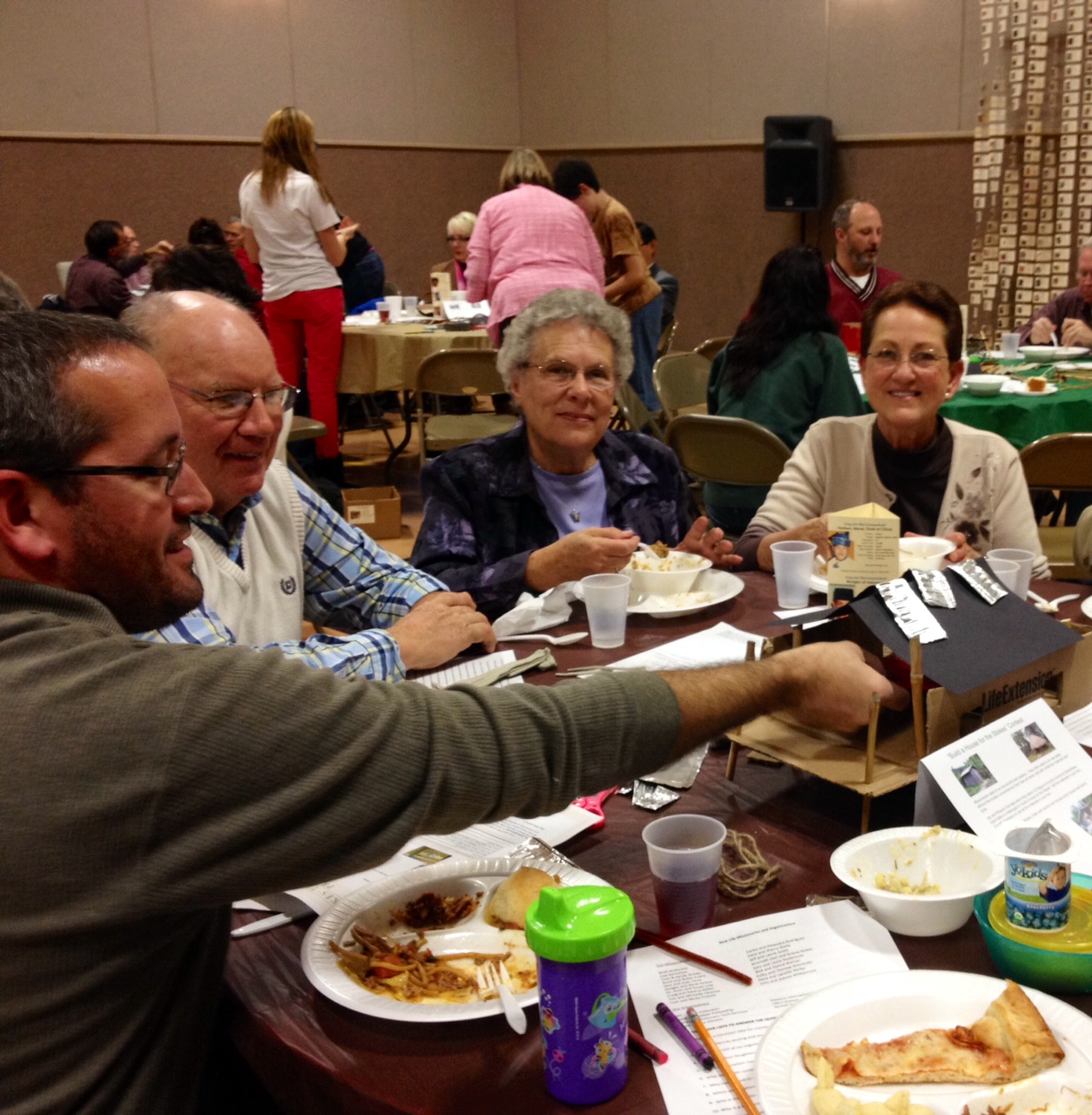
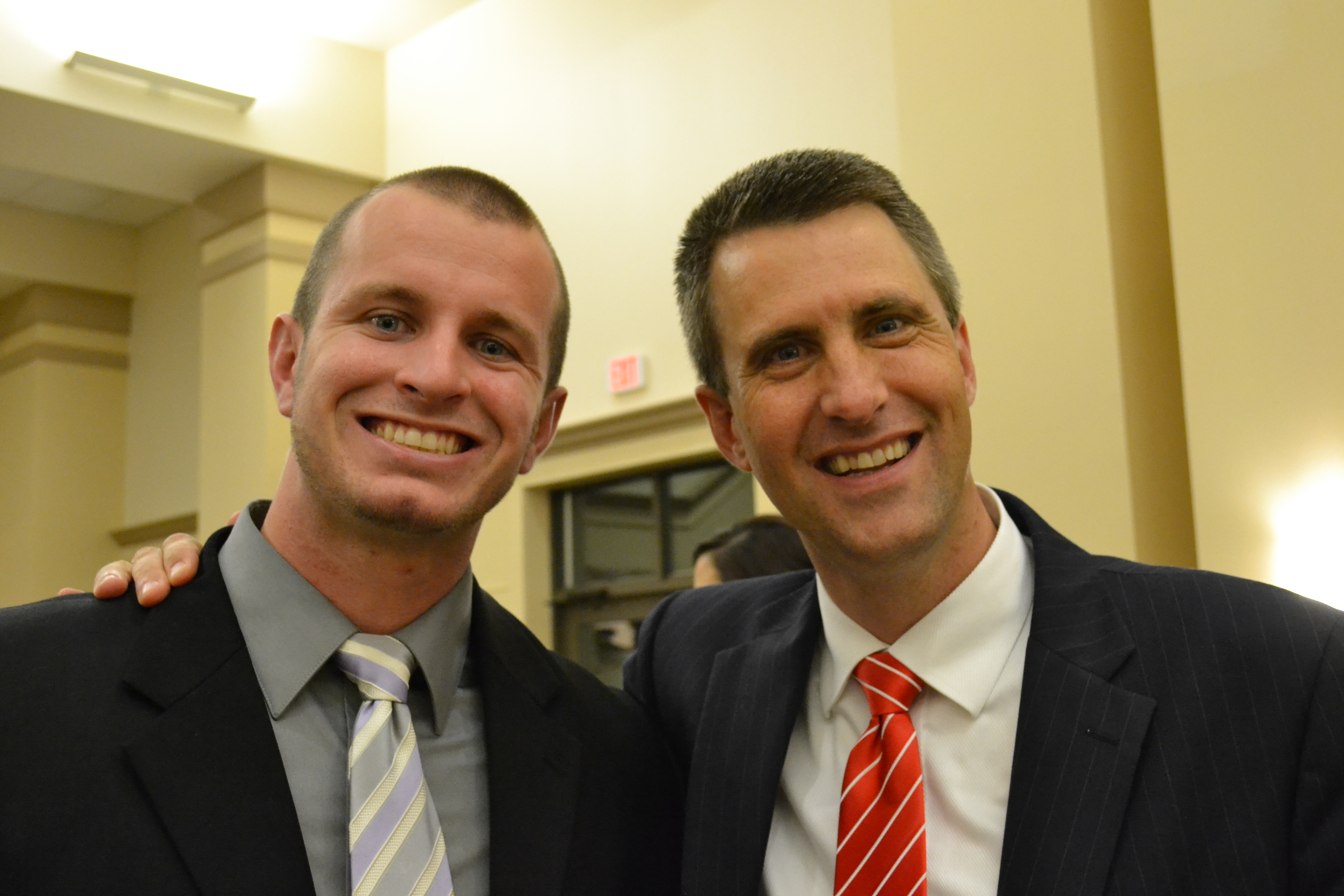
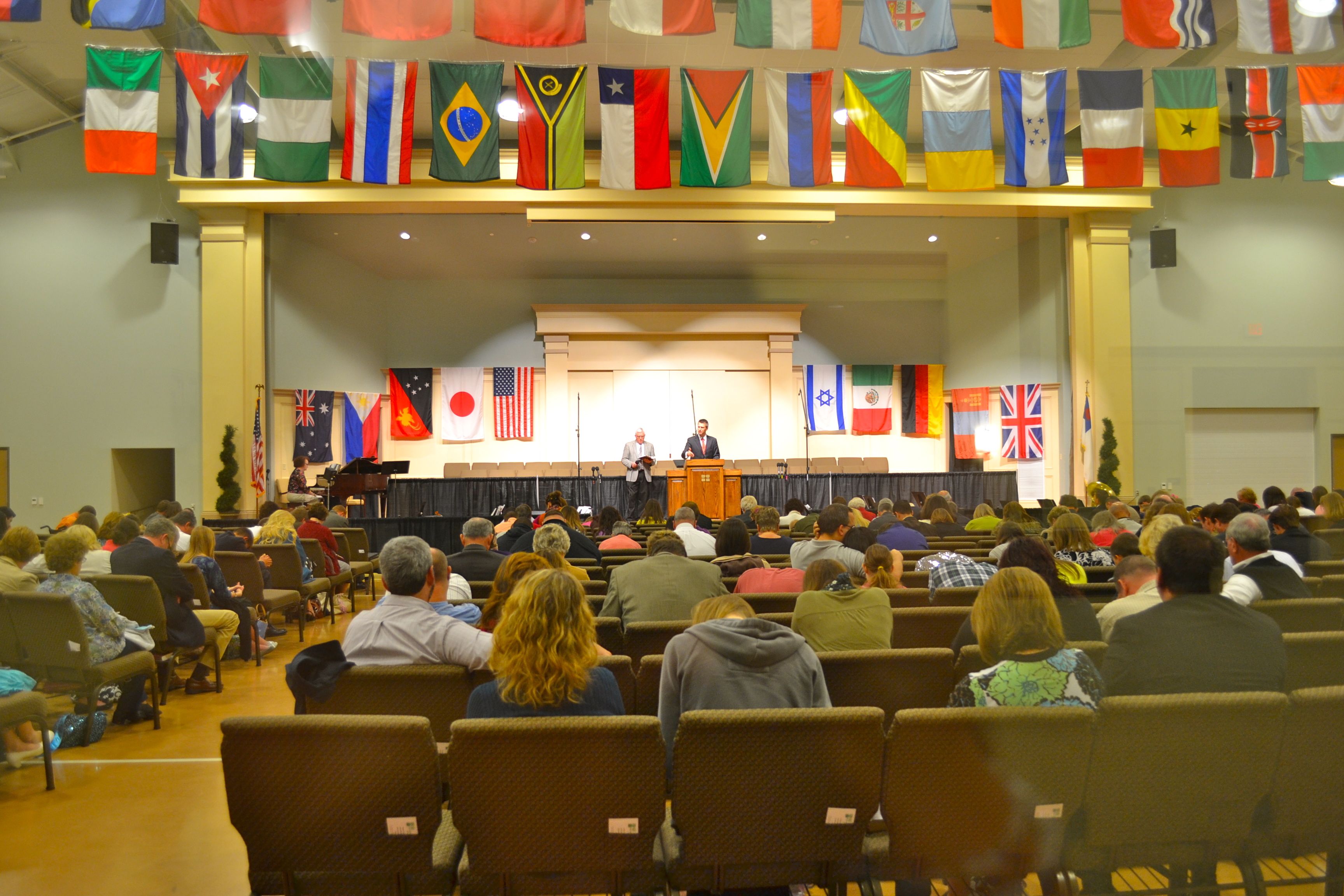
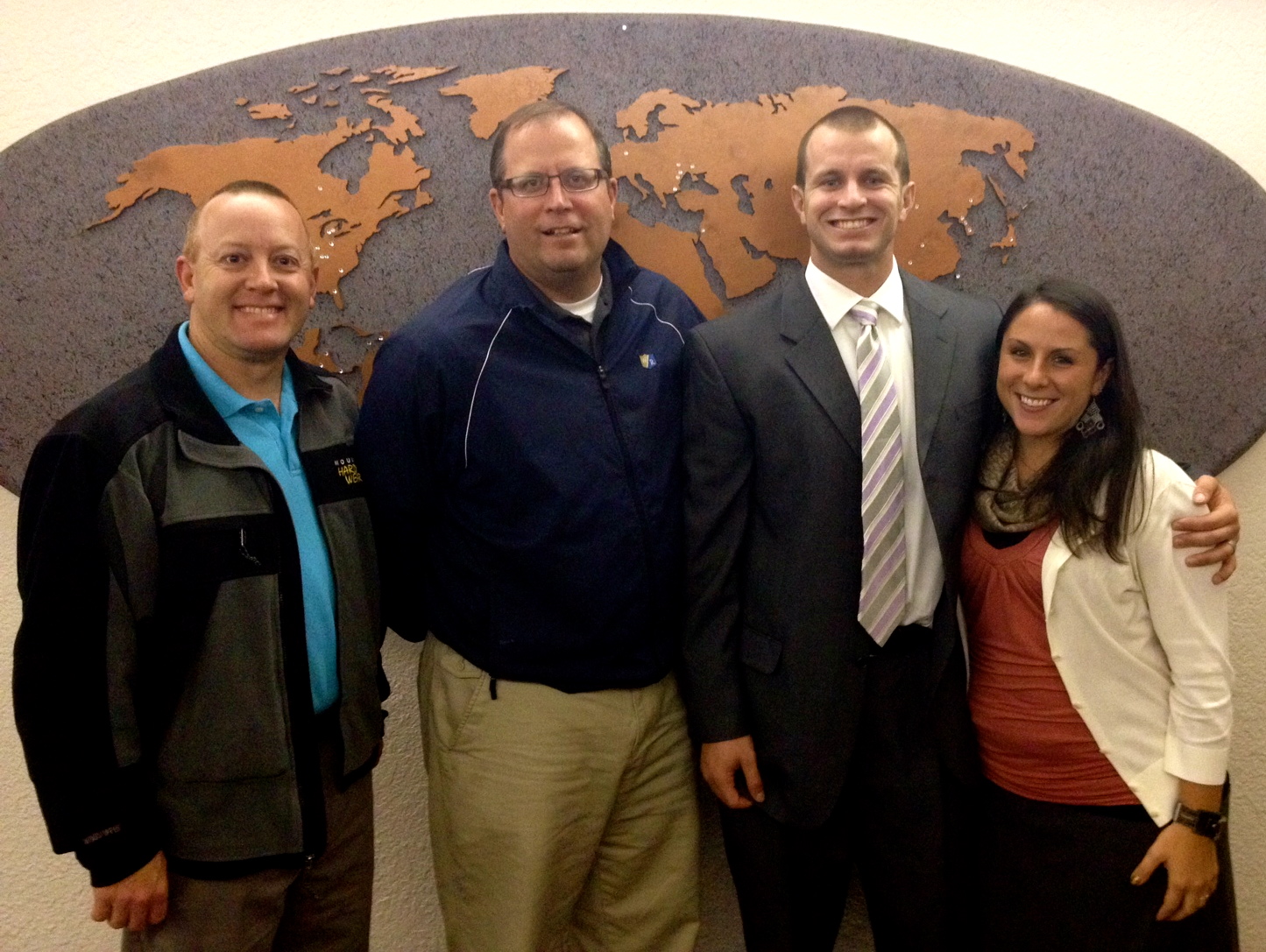
How was our break? Well 8 places in less than 4 weeks, no more than 5 days at one place, and even a night in the car was what it looked like. That can some up our “break”, it was an amazing time of seeing family, friends, making new friends, and being encouraged. We left Missouri in the middle of the night to beat a snow storm, headed to Pittsburgh, got to be with Seth’s family for Christmas and to make some good memories with Seth’s sister Jennie and her family. Side note: Praise: Job (our nephew who had a swollen kidney) is doing great! He is so fun and a great baby. Pray for Scott and Jennie as they are still waiting for paperwork to go back into their tribal work. After Pittsburgh, we headed to New Jersey only to re-pack, take a nap and head to Virginia Beach with Nicole’s side of the family. We had a great time with family there and celebrated New Years. It is always great to see family, when we head overseas we might not know when/if the next time we will get to see them. Next, we headed back to NJ so that Seth could work for Nicole’s dad and be with them for a bit before David (Nicole’s brother) went back to Panama. Our family is literally all over the place 🙂 . We then drove back to Pittsburgh to strategize with our home church and Pastor to see how we want to begin planning for our deputation/raising support phase over the summer in order to get overseas as soon as possible! So many details involved in every decision. Then we finished the trip in Indiana at a church there. Seth had the opportunity and privilege to share our ministry vision for the first time. To our pleasant surprise, we welcomed with open arms and encouraged and blessed so greatly once we walked in the doors. The church and the Pastoral staff have such tender hearts and are seeking God’s will for their life as a church. The church is dedicating much time to prayer this year and to be more involved in any way possible in each of their missionaries lives. This church was such an encouragement to start our journey of visiting churches and sharing God’s vision for the unreached. All in all, we did not get “one” alone night together on our whole trip, but it was worth it! We were so blessed and encouraged through the people God has placed in our lives. We cannot even begin to show our gratitude to everyone we met with over our short time being home.
Author Archives: Stokingthefires
2 Weeks Down and 16 More to Go!
It is crazy to think about and to put into perspective that we are in our final semester, two weeks down, and 16 more to go. Time is flying and we hope it does not pass like the wind in Kansas. We barely got settled in and then went straight to work with classes, our local outreach, and our church in Kansas.
Classes: We have finished two classes thus far, these classes were building blocks for our next class and will be eternally helpful when we get overseas to plant a church cross-culturally.
Phonemics Class: This class continued where we left off with phonetics last semester. In phonetics we learned to decipher and reduplicate the sounds the mouth makes, phonemics focuses on how to write those sounds down in a concise and cohesive way for the indigenous people. It is said, “phonetics is an outsiders perspective to language, and that phonemics is the insiders perspective to a language”. This emphasizes orthography (the language in writing) and sounds the speaker thinks he is making vs. the sounds the speaker actually is making. As usual we will give an example J Cat, Butter, stop, top, and auto are just some examples. What do they all have in common? A “t” in English, but we are sure if you say those words and focus on the “t” you will notice each one makes a different sound, and yet we still give the symbol “t”. To make a long story short (from the example, in order); “unreleased t”, “glottal” “un-aspirated t”, “aspirated t”, “flapped r” are the technical terms for each of the sounds the “t” makes in each of the words above. Phonetically we can understand the nuances that are going on and write them down as such, but with phonemics being the focus, making the language more simple and understood by the speaker “t” is used and we all understand what is going on. That is just one example, hope that makes you look at English differently J. With just that example in our native tongue, we will have to rely heavily on God to give us wisdom in order to know how to do that in a tribal setting with a language that is not our “mother tongue”.
Literacy: We had the opportunity to make a primer, using the tools we learned in class and a methodology that has been proven effective to teach illiterate monolingual people their own language. We put together words, syllables, and introduced 7 new sounds in our primer (look at our pictures to better understand). This class is key! If we ever expect the church to grow, they must have God’s Word in their language and they must be able to read it for themselves! We see a horrible example of what happens when you do not have Gods Word in your own hands to read in your own language when centuries ago it tore a country apart, and it went into a downward spiral since (in terms of spiritually). The goal of literacy for an illiterate “uncivilized” indigenous people group is achieved when; “the people can READ what was written, UNDERSTAND what was read, and WRITE to another what was understood”.
Outreach: Jail started back up! We see some of the same faces and some new ones. Seth had an awesome experience with the guys in jail talking about Christian life truths. One man said that the peace of God is like driving down the road and a cop pulls you over, and the car is yours, right license, license plate, etc. everything! You feel good about the situation. And they gave an extreme example of what it looks like when you do not have the peace of God… quite a detailed description they gave, many of them laughed. Another guy put abiding in Christ in a way that you can not be attached to two trees, you can not abide good fruit and bad fruit, that doesn’t make sense. You must be attached to the True Vine (Jn.15) and bear good fruit. It has been a privilege to see God work in the men’s lives. Nicole had a couple familiar faces and many new ones; she started back at the beginning of the King of Glory book, to lay some foundations, and to show Gods faithfulness in His unchanging testimony in her personal life. Nicole will continue with the teaching where they left off with the birth of Christ. Pray for Nicole and Jinny (Nicole’s teammate) as they strategize their teaching segments to best impact these ladies for eternity.
Church: It was awesome to see everyone’s smiling and encouraging faces our first Sunday back. It was great to catch up with many of the families and with some of the teens. Next week we will have a “first” in the teen group. Details to be given afterwards.
Side note: Seth has been given the opportunity to give the baccalaureate speech for Uniontown High School in Kansas at the end of May, many saved and unsaved kids will be coming to this event. Please pray for wisdom regarding what to say and to use the time wisely in order to impact these young and impressionable hearts for the Lord.
How’s Jail Time Treating Us?
We really tried to use our last session before break to emphasize the Gospel, since the turn over in jail is so high, we would not know when would be the next time we would see the inmates. Seth focused on Romans chapter 8, and just finished talking about the “Law” in Exodus 20 and a lot of guys were confused on “how” the Law applied to them today. This is a very good question and is not an easy one to answer in a sentence or two. After giving the context of Exodus 20 and Romans, then particularly the placement of chapter 8, Seth focused on mans inability to keep the Law, and that only Jesus can keep the Law. Through Christ’s work in us, the law is “fulfilled” in us (v.4), and the more we are made into the image of Christ (v.29), the more the Law is fulfilled in us. Christ’s work, His way, His power, His timing, it’s all about Him and His gift! We are always humbled on this truth, it is never about man and what he can do for God… it is always reflecting on what God has done, is doing, and will do for man! I (Nicole) was not able to go into the jail the last time before Christmas break due to fights and cleaning going on in the ladies cells. It is kind of funny, that I was not allowed to go into jail. 🙂
TPR, Yet Another Acronym!
Missionary colloquialism or the “lingua franca” they typically use are acronyms. Sometimes it can be hard to remember them all. TPR stands for Total Physical Response. It is a method for language learning that uses repetition, as it is called “total physical response”. This technique engages your body and activities to first learn objects such as “my finger” or “the ball”, and then incorporating basic actions with commands and present tense actions. This is one of the first of many tools one uses to learn a language effectively, naturally, and as someone from “inside the culture”.
We were given just a few short hours to practice this technique with someone from Germany. We learned over 40 object/nouns and then a handful of verbs, and by learning it in a live setting with a natural speaker whose mother tongue was German, we learned to hear, speak, and begin to put sentence structure grammatically in a short time! After a month we can still tell someone to place a book on a table while holding a pen above the book, it is crazy! This technique was designed to understand many words quickly and naturally (that’s always the goal). This is just another useful tool we will take with us as we head overseas and go into tribal missions.
We Ended the Semester with a Blaze, Literally
Before we ended last semester, we spent a whole day with the youth group in Kansas and had fun, worked, cleaned, had a scavenger hunt, and did a team project. We even watched a movie and watched it “critically” to see if it lined up with God’s Word, always checking to see how everything lines up with Scripture. The guys started with doing some brush clean up and garbage gathering, and the ladies started with vacuuming and wiping things down. The focus for this activity was two-fold: 1. So that everyone plays a part in being stewards with what God has given us, and 2., to promote teamwork and unity among the youth. In this day-and-age, one of the greatest struggles for a local church is for everyone to get involved and for everyone to get along. Jesus’ life was one that worked and exemplified true unity, we hope and pray the kids saw this as the focus and had fun as well. The scavenger hunt was fun; Seth loves making riddles so most of them took the whole team to work together to figure out where the next clue was.
It was awesome to see how each member contributed, and age did not matter, in fact, one of the youngest kids there was among the best scavengers! This is just a small glimpse in God’s cosmic story that everyone is needed in His Master Plan, that all have the ability to get involved, and all are needed to accomplish the task!
After we started a small brush fire and the sun started to set, we roasted some marshmallows and had some good ole s’mores. Yum! Way to finish the year, and with no injuries “to-boot”!
Here a Class, There a Class, Everywhere a Class, Class (Part 2)
Folk Islam: We had the opportunity to take a Folk Islam class. In this class we were able to learn many of the differences between High Islam and Low (Folk) Islam. The best way to describe this difference is syncretism. Syncretism (discussed more in last post) is where one takes the “spirituality” of Islam and uses many systems, tenets, and practices to answer their pre-existing “animistic” beliefs. For example, Low Islam believes in many evil spirits other than just the Jinn (one of their evil spirits). They use parts of the Koran and post them around their houses and put them on their bodies to ward off evil spirits. Now before we judge this as a “crazy uncivilized worldview”, let us look within the United States. We have people who walk around wearing beads around their neck and wrists rubbing them as if they will give them “good luck” or procure a blessing. Most newspapers today will not even publish an edition without horoscopes in them, telling you what day is best for such and such… if that is still too distant for relevance, think about the example of “holding certain words on a piece of paper as a comfort” (i.e. the Bible), it is a challenge to us to always place our trust in God and His promises and not having the Scriptures be put in the place of an amulet. We are reminded by the words of Paul, “for his names sake…” (Rom. 1:5), it is not just a word or a name that we look to, but to the Person of Jesus Christ.
To sum up the class, combine Folk Islam with Animism (spirit worship, see previous post) and add a personal culture and you will have Folk Islam. This class is crucial for us in many ways because we are heading to Indonesia, which is the largest Muslim country in the world. We need to understand the people as best we can before we get into the country where we will be ministering. These things are important in order to know how to relate with them and comprehend what they are doing and implying with their various traditions and rituals. This is also a reminder and a constant challenge to us, that these beliefs (of syncretism) come from poor teaching and introducing concepts that were not spoken to people at a neither a heart level nor geared to their personal needs. We must grasp this fully so that when we minister to anyone they do not fall into a similar cycle with Christianity as they did to their Islamic faith.
Various other classes: there were so many classes that we cannot begin to start writing up a summary for each of them. But each one had its part in helping us gather more tools so that we can take them with us overseas to do church planting in a tribal setting.
Here a Class, There a Class, Everywhere a Class Class (Part 1)
Animism Class: If you look at this word you might say one of two things; 1. What is that word, and gloss over it. Or 2. You have heard this word in regards to spirit worship. As we began to dive into this class and this term, we learned quickly that neither is the case. To give animism a definition and to work from it could be said that “animism is the practice in which one believes in personal spiritual beings and impersonal spiritual forces that affect you personally each day of your life which you must learn how to manipulate to protect and better yourself.” This definition is merely scratching the tip of the iceberg, trying to explain an organic belief system that adapts to its surrounding and are found within human beings who live out these beliefs and make up systems to explain why they believe “what” they believe. This system will be talked about a bit more in the next class “Folk Islam”. In that class we will learn how these two classes connect.
Animism will look differently for each people group, but in that difference you can expect some similarities. Animism as a belief system is a “holistic” system, meaning that stories they use to explain creation or how people came to be are each a complete story in and of themselves and do not have to connect to one another. Their systems are complete by themselves and do not need to connect like we connect things here with our Western Linear thought process. The systems work within themselves. Animism is “particularistic”; meaning that by its definition the system is unique for the individualistic people where the people usually call themselves as “the real people” and are tied to the land. This is important to understand because we will strive to be “a part” of the people group we will be going to, and more importantly will teach them God’s Word which is a universal and personal message for all. One of the greatest challenges when teaching God’s Truth to animistic people is making them see that this message is for them! We have heard many stories that these animistic people say, “oh that’s nice, that’s your creation story… and how you view what sin is and what God looks like, but that’s not what we believe”. We must teach relevantly so that when we teach about God they understand that God is thee only God and much more. If we do not, we will only breed syncretism and create people who view Christianity for white people or that Christianity is nice to have for insurance when they die, but it does not apply to them while they live their daily lives. They will still do various acts to appease the “evil spirits” and procure a blessing so that they can hunt and provide for their family, and then go to church on Sunday to appease yet another spirit. This is the battle we will be getting into. Please pray that we become better communicators of truth and better learners of life so we can speak relevantly to the people God is leading us to minister amongst.
Practical Skills
We had the opportunity to learn some “practical skills” recently in our training. Now when we say practical… the practical part is relevant to the field where we are heading. Most developing countries suffer greatly in the area of health and well-being, many of their illnesses can be cured easily with simple antibiotics, clean water, and basic hygiene. We take many things for granted here in the U.S., we go into our house and look in our cupboards and refrigerators and say “we have nothing to drink”… except for an endless supply of purified water. This is one of the modern conveniences that we have that aid in our well-being. We had the opportunity to learn about purifying water, how to administer shots, how to use a stethoscope, how to check ears for infections and other practical skills.
We are learning these skills, as well as adding many other tools to our belt before we go overseas and work in an adverse tribal setting. We will need as many tools as we can acquire before we go overseas in order to be as effective as possible so that ultimately we can to minister to the people God is leading us to live amongst. People “do not care what you know, till they know that you care”. We must show people the love of Christ and watching them die from things we can cure quite easily is a contradictory message. When we think about this topic we are reminded of the passage in James chapter 2, “15 If a brother or sister be naked, and destitute of daily food, 16 And one of you say unto them, Depart in peace, be ye warmed and filled; notwithstanding ye give them not those things which are needful to the body; what doth it profit? 17 Even so faith, if it hath not works, is dead, being alone.” We are always reminded that we are not taking the written Word of God to an unreached people group, but we are taking the LIVING Word of God.
Practical Skills for Field Health
It is for this reason (bringing the living Word of God to people who do not have it written in their own language) why we are learning what we are learning. Another obvious reason is because we know that these people are dying and going into a Christ-less eternity. We desire to preserve their bodies for as long as possible so that they can have an opportunity to hear the Creator’s message. It will take a long time once we get into a tribal village before we can share the Creator’s message; we will have to move in, build a house, learn their language, and their culture. Once all of that is accomplished, then we will be able to share the Creator’s message with them, so that they can hear and understand God’s message in their heart language.
What is CLA?
CLA is a thread of classes that we begin when arriving here at the training and it continues on through the entire course. CLA stands for Culture Language Acquisition; the title is pretty self-explanatory, there are so many facets to these subjects that fill libraries but we do not want to bore you 🙂
People and languages are always changing, that is why we are learning “principles” that will try to cover “most” aspects of life. We as English speakers say the word “knife”, and we understand that the “k” is silent. The “k” was not always silent; our language has changed drastically in the past couple hundred years in that one small example. Hundreds and hundreds of years ago the word “god” had a different ascription to it, and now we understand its ascription to the God of the Bible. And what about more recently??? With all of the slang, jargon, and shorthand “text-talk”, you wonder why foreigners struggle with our language so much!
What I have described, are just a few examples of complexity within our language but to understand the culture goes to yet another level. A language is merely the words used “with-in” a culture. In our culture it is very normal to see a man and a woman holding hands and we would equate that to be normal and even “affectionate”. In most other cultures if you were to see a man and woman holding hands that would be “inappropriate”, and yet it is “normal” and even a sign of friendship for a man to hold another man’s hand in another culture. How many of you just cringed at that thought?
So lets talk family…everyone knows what a dad, mom, and siblings are right? Well let me give you a scenario… a woman gives birth to a boy, she calls him mother. The woman’s husband calls his boy “mother-in-law”… and this boy when he gets older calls his mother “daughter” and his father “son-in-law”. Confusing yet? Good! It was confusing till we had more information. This is not even the “in’s and out’s” of the topic known as “kinship”. There are 7 kinship systems in the world. The Europeans and Americans go by the Eskimo System. We have one mom, one dad, etc.… and did you know only 33% of the cultures in the world go by that system. The Hawaiian system of kinship considers all aunts and uncles as “mom and dad” and all cousins as “brothers and sisters”, with it being the gift-giving season, things could become quite expensive if that was the case.
Kinship systems along with many other cultural “norms” are key to understand before ever teaching God’s Word. The Jewish cultures have the same system as ours and are also a patriarchal family (following the fathers lineage). Principles are so important to understand before you ever teach; the genealogies, a husbands responsibility, what is the Bible saying when Jesus is God the Son, and God is our Father… there are so many things we have to understand if we want to be effective communicators of God’s Word. This reminds us of Nehemiah 8 when it says that the people “had understood the words that were declared unto them”. When engaging in ministry, the words we communicate must be spoken in the heart language of the people. Thus, culture language acquisition is a vital part of missions.
God is Bigger than My Natural Tendencies
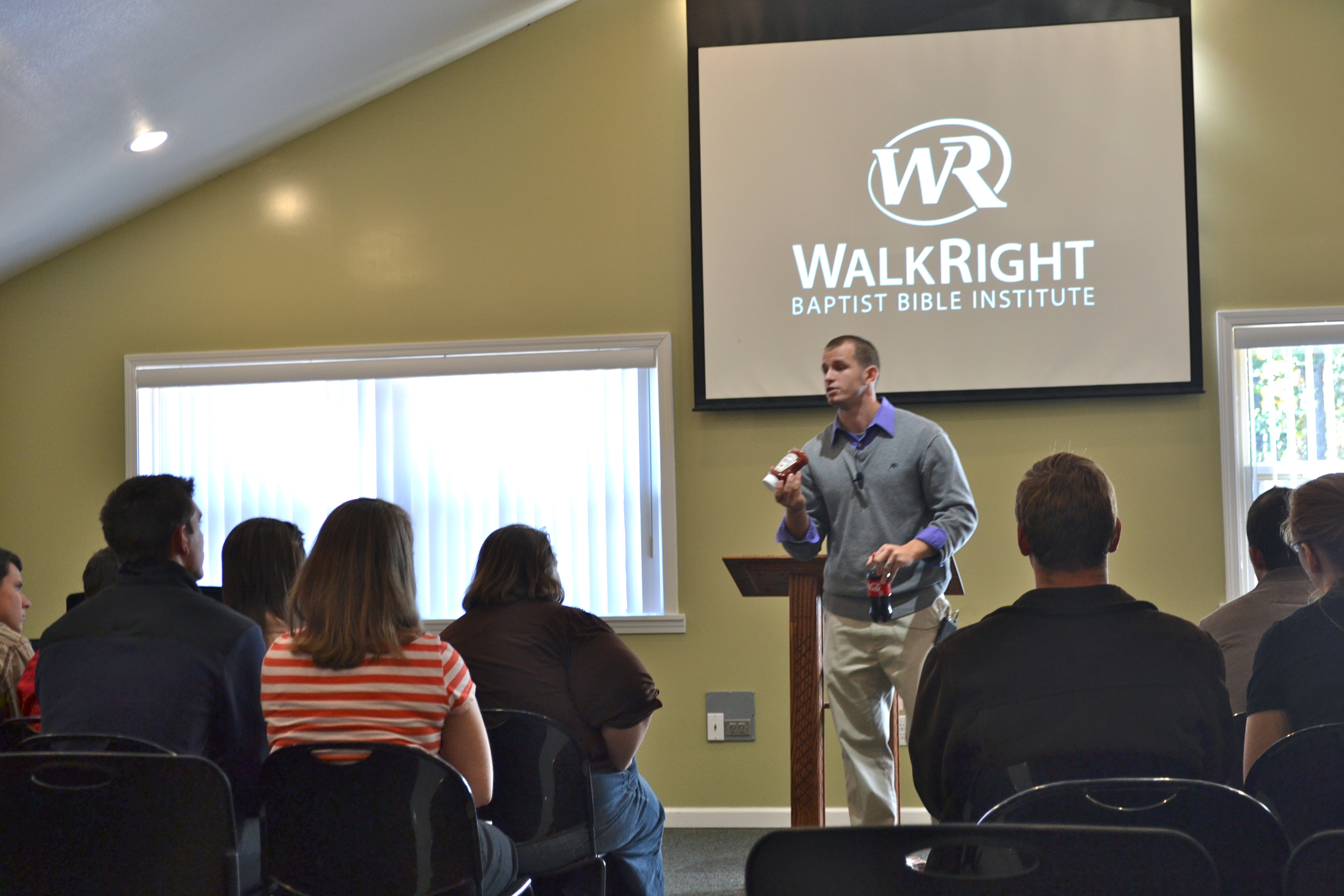
I (Seth) have had to do a lot of teaching and preaching these past couple of months…anywhere from one, two, three and four times in a week. I spoke in 9 different “arenas” with varying topics in less than 2 weeks at one point. I still have more upcoming speaking/teaching engagements before our upcoming break. To many of you, you might be saying, “what is the big deal?” Well to put it simply, I am not a comfortable public speaker; I am nervous (not an earthly fear, it is just not a place I am comfortable), I sweat, shake, and ask my wife… my heart literally pounds harder and skips beat. From talking in class, to praying, to teaching, they are all the same to me and I do not feel comfortable about any one of them.
This is one of the many reasons why God and His Word are the reason why I (personally) am pursuing missions, and not because it is something I (in myself) want to do particularly. I am not an outdoorsy person (my wife likes camping more than I do), I despise every bug, I like couches and movies, and as I previously stated, public speaking is not my forte.
All that to say, God is BIGGER than my wants and preferences, He is my strength in my many weaknesses. Watch my life and follow along in our journey. God promised that HIS strength is made PERFECT in my weakness (2 Cor. 9). If you want to see a lot of God’s power, be prepared to see it in and through my life, because there is a lot of weakness in me. We are looking to go into tribal missions, I will have to do a lot of speaking, be outside a lot, and lets not get started on the bugs! These aspects of my life show that ‘missions’ for me is not about me…but its seeing God’s Word as absolute, treating hell as real, and mirroring the example God gave us in Paul of going everywhere the gospel had not yet been preached (Rom. 15:20-21), and God wanting to do a mighty work in me. Join us as we watch God’s incredible power do amazing things in and through us!